Braille Signages in India: Importance, Accessibility Benefits & Essential Standards
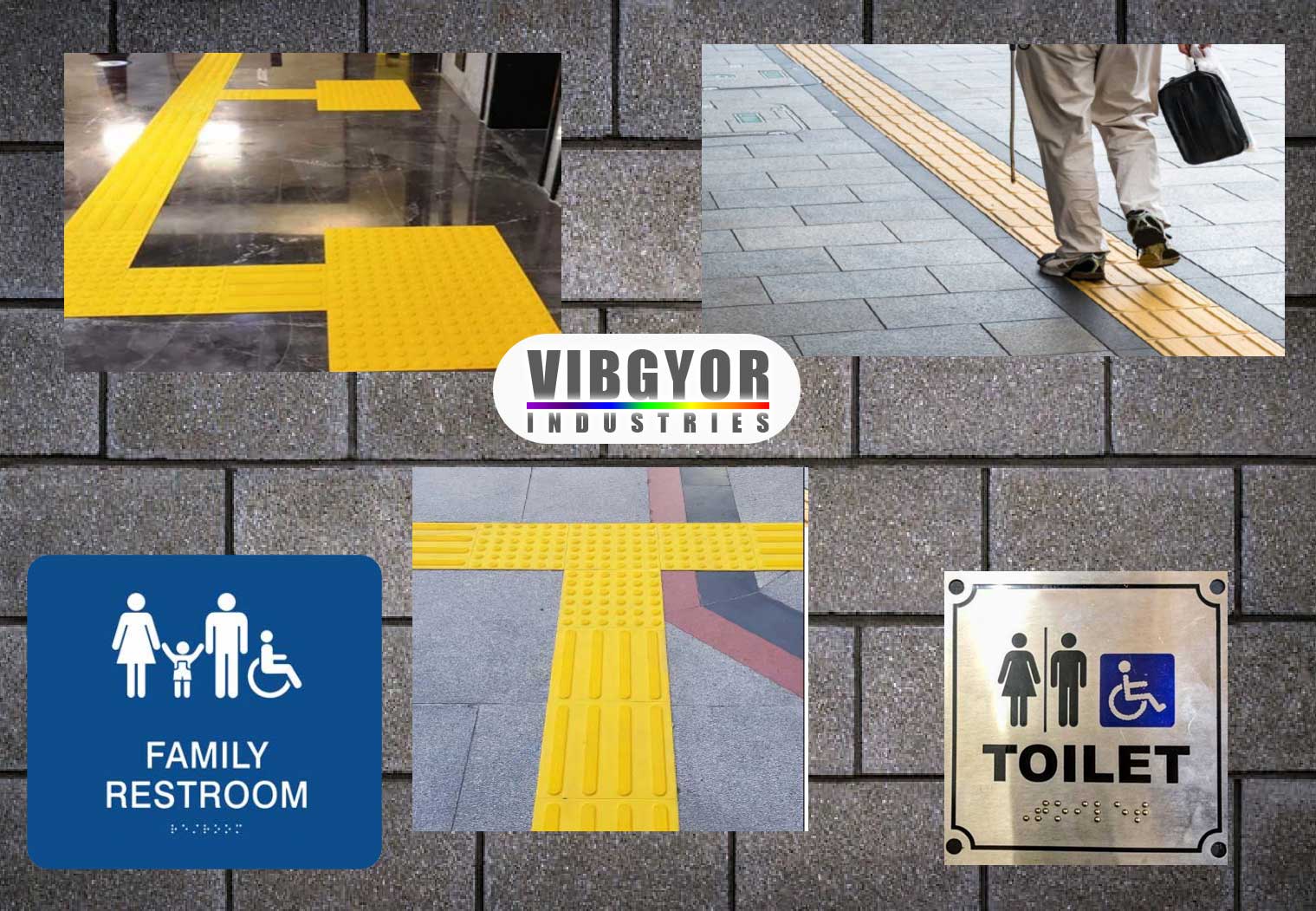
Creating an inclusive and barrier-free environment is no longer just a choice—it is a duty that every public space must copyright. One of the primary ways to ensure equal access for individuals with visual impairments is through tactile Braille signs. With growing awareness, demand for reliable and durable tactile signage has surged, leading to a greater need for professional Braille signage manufacturers in India.
Significance of Braille Signages in Indian Public Spaces
Public buildings—such as airports, railway stations, hospitals, government offices, schools, malls, hotels, and metro stations—are designed for everyone. However, for millions of visually impaired individuals, independent movement in these spaces can be challenging without accessible tactile information.
Braille signages serve an essential purpose by offering:
1. Independent Navigation
Placed at doors, elevators, washrooms, staircases, emergency exits, and reception points, Braille signs allow visually impaired individuals to move confidently without relying on others.
2. Compliance With Accessibility Laws
Indian accessibility laws such as the RPwD Act (2016) and Harmonised Guidelines make accessible signage mandatory.
3. Enhanced Safety in Public Spaces
Braille signages improve safety by minimising risk and ensuring users can identify exits and directions easily.
4. Support for Inclusive Development
The development of smart, inclusive cities relies on Braille signage to guarantee equal participation for every citizen.
Benefits of Braille Sign Boards for Accessibility
Beyond identification, Braille sign boards act as essential communication aids for visually impaired users.
Here’s how they directly improve accessibility:
? Provide Clear, Touch-Readable Information – Raised dots and tactile alphabets enable users to quickly recognise rooms, directions, and other areas.
? Reduce the Need for Assistance – Visually impaired individuals can navigate independently, finding elevators, washrooms, and exits without help.
? Improve Dignity and Confidence – Freedom of movement promotes confidence and preserves personal dignity.
? Enable Better Orientation in New Spaces – In unfamiliar environments like hospitals or corporate offices, Braille signs help users develop a mental map of their surroundings.
For these reasons, institutions must collaborate with a reliable Braille signage manufacturer in India that ensures both accuracy and durability.
Standards and Guidelines for Braille Signage in India
India has established clear standards to make Braille and tactile signs consistent, durable, and readable. The most recognised include:
1. IS 16900: Indian Standards for Tactile/Braille Signage
This standard specifies:
? Specifications for Braille dot height, spacing, and alignment
? Guidelines for tactile letter height and width
? Grade 1 Braille consistency across signage
? Placement height between 1200–1500 mm from floor level
? Visibility and contrast standards
? Material strength and resistance
2. Harmonised Guidelines for Accessibility (CPWD / MoHUA)
These guidelines require:
? Installation of tactile signage at key decision and entry points
? Consistency of signage layout across all levels
? Application on doors, Accessible signage manufacturer in India railings, and access points
? Use of tactile-friendly, durable materials
3. RPwD Act Compliance
Compliance with the RPwD Act ensures equal accessibility in both public and private spaces.
Final Thoughts
Braille and tactile signages symbolise a nation’s commitment to inclusion, accessibility, and dignity. They enable visually impaired individuals with independence, confidence, and safety, while ensuring buildings meet national standards.
To achieve these goals, it is essential to work with experienced Braille signage manufacturers in India who understand technical precision and legal compliance. With proper implementation, India can transform every public space into an inclusive, accessible environment for all.